

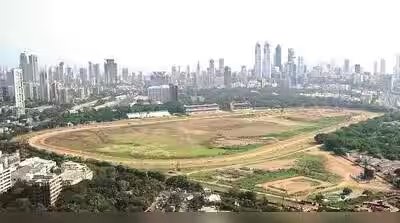

Mumbai: After BMC scrapped plans for any construction below Mahalaxmi Racecourse, Mumbai Architects Collective (MAC), representing 138 architects, planners and designers, has urged Maharashtra govt and BMC to formally protect Mahalaxmi Racecourse as a natural public open space following the decision to drop the proposed underground sports complex, convention facility and multilevel car park.In a letter sent on Friday, the collective sought an interim govt resolution (GR) banning underground construction beneath designated open spaces and a permanent city-wide Open Space Policy. It proposed developing Racecourse as an urban wetland park that absorbs floodwater and supports biodiversity. MAC also called for an integrated plan linking Racecourse and Coastal Road gardens into nearly 300 acres of public landscape, with both spaces remaining under direct BMC management.The architects pointed out that the racecourse infield holds rainwater during the monsoon and supports seasonal wetlands as well as resident and migratory birds. They proposed developing it as a landscape that absorbs floodwater, cools the city and enhances biodiversity, while retaining and improving facilities for walkers, runners, children and families.Citing Benjakitti Forest Park in Bangkok and Qunli Stormwater Park in Harbin as examples, MAC said such landscapes could combine ecological functions with everyday public use.The collective has sought a formal written order confirming the decision at Racecourse and an interim govt resolution prohibiting underground parking or construction beneath playgrounds and open spaces designated in Development Plan, pending a new Open Space Policy.“Knowing when not to build is as important as knowing what to build,” the architects said, pointing out that Racecourse was the third instance after Pushpa Narsee Park in Juhu and Patwardhan Park in Dadar where the city had concluded that natural public ground should not be excavated for parking or construction.MAC has also urged the forthcoming Open Space Policy of BMC to incorporate five priorities agreed upon by the collective on Nov 25: free and universal access without entry fees or memberships; protection of existing recreational uses; conservation of seasonal wetlands and enhancement of biodiversity; a ban on commercial and ticketed activities in public parks; and simple, maintainable designs focused on shade, paths, drainage and basic amenities rather than expensive monumental structures.The policy, it said, should be guided by two principles — public land is held in trust for Mumbai’s residents, and every increase in urban density must be accompanied by a matching increase in public open space and civic infrastructure.The collective has sought a meeting with the state govt and BMC to contribute to the development of the policy and design brief, alongside citizens and experts in ecology, hydrology, transport, public health, economics and law.
Discover more from updatview
Subscribe to get the latest posts sent to your email.