






Postgraduate (PG) doctors have been leaving residency programmes at some of the country’s most reputed medical institutions, including the All India Institute of Medical Sciences (AIIMS) and Jawaharlal Institute of Postgraduate Medical Education and Research (JIPMER), amid concerns over prolonged working hours, workplace harassment and inadequate institutional support.Data obtained through Right to Information (RTI) applications filed by members of the United Doctors Front (UDF) indicate that doctors are stepping away from coveted postgraduate positions despite securing competitive ranks in the NEET-PG examination as reported by TNN. While the number of departures has declined at some institutions, resignations continue to be reported across medical colleges and specialities.AIIMS Delhi alone recorded 34 junior resident departures in 2025, while JIPMER, Puducherry, reported 44 resignations across its January and July batches during the same year.
AIIMS Delhi records 34 resident departures in 2025
According to the RTI data, AIIMS Delhi reported 34 junior resident exits in 2025, down from 60 in 2024. However, the number of new joinees also declined during this period, falling from 324 in 2024 to 267 in 2025.The department-wise figures show that anaesthesiology recorded the highest number of departures, with seven junior residents leaving the programme. Ophthalmology followed with six exits, while surgery and pathology reported three departures each.Ophthalmology had recorded 14 resident departures in 2024, indicating a decline in the number of exits from the department in 2025.JIPMER also witnessed a reduction in resignations. The combined number of departures from its January and July batches stood at 44 in 2025, compared with 60 in 2024, marking a decline of approximately 27%.However, resignations continued across multiple specialities, including anaesthesiology, emergency medicine, orthopaedics, pathology and surgery.
AIIMS campuses across states report postgraduate exits
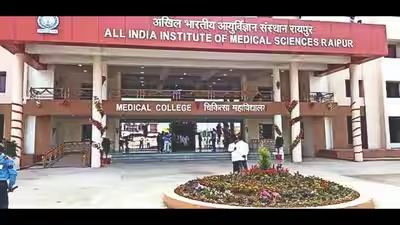
The trend is not limited to AIIMS Delhi and JIPMER. RTI responses also point to postgraduate and super-speciality students leaving other AIIMS campuses, including Kalyani, Raipur, Gorakhpur, Patna and Rishikesh.AIIMS Kalyani reported 15 departures across all three years of postgraduate training in 2025, including 13 students from the January and July batches. The institute also reported that another 11 students from the 2026 batches had left by the time it responded to the RTI application.AIIMS Raipur recorded 19 departures from its 2025 batches, while AIIMS Patna reported 12 exits. AIIMS Gorakhpur also confirmed departures among its postgraduate residents.At AIIMS Rishikesh, as many as 30 students enrolled in different postgraduate and super-speciality programmes left the institute in 2025.The figures indicate that resident departures are being reported across institutions and specialities, although the available RTI responses do not establish a uniform reason for every resignation.
UDF flags prolonged duties, harassment and toxic work culture
Raising concerns over the working conditions of postgraduate doctors, Dr Lakshya Mittal, chairperson of the United Doctors Front, told TNN that RTI applications filed by members of the organisation had revealed a pattern of doctors leaving prestigious institutions despite securing highly competitive NEET-PG ranks.He called for regulation of working hours, independent grievance-redressal mechanisms and greater accountability from medical institutions. The UDF has also filed a Public Interest Litigation (PIL) in the Supreme Court, seeking intervention in the matter.The concerns raise questions about the working environment in postgraduate medical education, where residents are expected to balance clinical responsibilities, academic training, patient care and examinations.
RTI responses reveal gaps in psychiatric counselling data
The RTI applications filed by UDF members also sought information on psychiatric counselling facilities and the number of postgraduate doctors seeking mental health support. The objective was to examine whether stress, depression, sleep deprivation or other workplace-related concerns could be contributing to resident departures.However, the responses from institutions revealed gaps in the availability of consolidated data. AIIMS Delhi stated that it did not maintain compiled data on psychiatric counselling provided to residents. AIIMS Rishikesh, meanwhile, reported that six postgraduate students had received psychiatric counselling in 2026. The institute, however, did not maintain a consolidated record of workplace-related stress among residents.AIIMS Raipur reported that no residents had sought psychiatric counselling in 2025 or 2026.The absence of comprehensive institutional records makes it difficult to establish the extent of psychological distress among postgraduate doctors or determine how many resignations are directly linked to mental health concerns.While the decline in departures at AIIMS Delhi and JIPMER offers some indication of a reduction in resignations, the continuing exits across institutions point to concerns that warrant closer examination. For postgraduate doctors, residency is a crucial phase of professional training. Ensuring that it provides adequate clinical exposure without compromising their physical and mental well-being remains an important institutional responsibility.
Discover more from updatview
Subscribe to get the latest posts sent to your email.