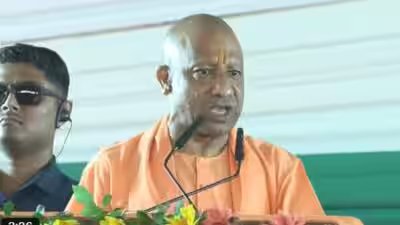


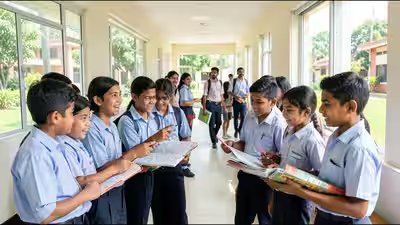

Telangana is preparing to restructure its school education system, with Chief Minister A Revanth Reddy directing officials to take the necessary steps to introduce the 10+2 pattern from the 2027-28 academic year. The proposed reform seeks to bring Classes 11 and 12 within the school education framework, replacing the state’s existing Intermediate arrangement through junior colleges according to media reports.The directive was issued during a review meeting with senior Education Department officials in Hyderabad on Wednesday, November 11. Reddy, who also holds the education portfolio, emphasised the need to modernise the state’s education structure in response to changing academic requirements and ensure that students receive quality education.The proposed changes form part of the government’s broader effort to strengthen education from the pre-primary stage to Class 12, improve learning standards and expand opportunities for specialised education and skill development.
Telangana plans shift from Intermediate system to 10+2 structure
Under the existing arrangement, students in Telangana complete schooling up to Class 10 before moving to Intermediate education in Classes 11 and 12, generally offered through junior colleges under the Board of Intermediate Education.The proposed 10+2 structure would bring these two years into a unified school education framework. The transition is expected to require administrative and infrastructural changes, along with a review of how higher secondary education is organised across the state.During the meeting, the Chief Minister stressed that education reforms must reflect contemporary requirements. He said the government’s priority was to ensure access to quality education and that the proposed changes should strengthen the overall academic system.
Classes 9 to 12 to receive special focus
A major aspect of the proposed reform is the emphasis on Classes 9 to 12 as a distinct phase of education. Reddy favoured treating these four years as a higher stage of learning, with specialised education tailored to students’ academic requirements.The approach is intended to provide students with a more focused academic pathway during the years preceding higher education. It also places greater emphasis on preparing students for future educational and professional opportunities.The Chief Minister asked officials to identify the infrastructure requirements for implementing the proposed arrangement. The availability of adequate classrooms, laboratories, teaching facilities and other essential resources will be important to ensuring that the transition does not affect students’ learning.
Government schools to be upgraded to match private institutions
Improving the standard of government schools is another priority outlined by the Chief Minister. Reddy said the government was committed to developing public educational institutions on par with private schools and ensuring that students from economically weaker backgrounds have access to quality learning facilities.The proposed restructuring will therefore require more than a change in the nomenclature of classes. Strengthening school infrastructure, ensuring the availability of qualified teachers and improving academic facilities will be essential to implementing the new arrangement.Officials have been asked to take the necessary measures to develop infrastructure in line with the proposed reforms.
Skill development to remain a priority after Class 12
The state government’s education vision also places emphasis on skill development after Class 12. While specialised education is proposed for students in Classes 9 to 12, the government wants to strengthen skill-oriented opportunities beyond the school stage.The focus is to make education more responsive to emerging employment requirements and equip students with capabilities that extend beyond conventional classroom learning.The emphasis on skills is particularly relevant as states increasingly look at connecting school education with higher education, vocational training and employment opportunities.
Discover more from updatview
Subscribe to get the latest posts sent to your email.