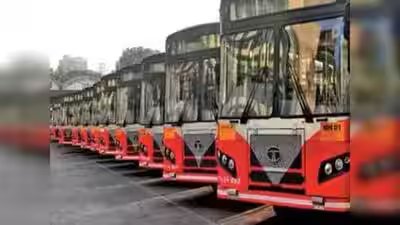


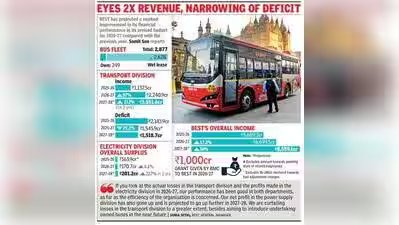

Mumbai: After years of relying heavily on private contractors to run its fleet, BEST has decided to change course and return to buying and operating its own buses, marking a major shift in the undertaking’s transport policy.BEST will now plan substantial capital expenditure to procure 5,000 buses of its own and will not enter into fresh wet-lease bus contracts, announced its general manager, Sonia Sethi, at the undertaking’s budget meeting on Friday. The sole exception will be the 1,500 electric buses recently sanctioned under the Centre’s PM e-drive scheme.The decision is significant as BEST’s fleet has shrunk dramatically over the years—from 4,200 in 2012 to 2,877 in 2026. Of the current composition, it owns just 249 buses and the remaining are operated on wet lease.The large number of fatalities involving privately operated buses in recent years has also raised alarms. In 2024-25, there were 19 deaths linked to wet-lease buses and 21 in 2025-26. In the same period, deaths involving BEST-owned buses were five and three, respectively.Commuters have repeatedly urged BEST to bring back its own buses, citing the traditional fleet’s reliability and lack of accountability among wet-lease drivers. “The overall wet-lease experience has led people to ask for our own buses and a return to the old era. We are not entertaining new wet-lease buses apart from the central scheme. We will now go for our own buses only,” said Sethi.Financing this ambitious return to ownership will be crucial because BEST’s transport finances remain under severe pressure. The undertaking has already proposed a Rs 28,000-crore Kayapalat transformation project, which seeks to unlock revenue potential through premium floor space index and redevelopment at 27 bus depots. The revenue is proposed to fund the purchase of buses as well as recruitment of staff required to operate them.Transport analyst Hussain Indorewala of citizens’ group Aamchi Mumbai Aamchi BEST said activists had warned against adopting the wet-lease model since 2017. “BEST seems to have finally realised that wet leasing has created problems. Purchasing its own buses is a welcome step, but owning buses also requires adequate depot and parking space. Monetising or redeveloping depots should not reduce the space available for operations,” he pointed out. “There is also the question of whether BMC will approve and financially support this plan. Most importantly, increasing bus services cannot be made dependent on depot redevelopment and the revenue it may generate. Mumbai needs more buses urgently. BMC and the state govt should provide direct financial support to BEST for procuring buses and improving services,” Indorewala added.A transport activist said wet-lease buses brought with them a whole range of problems. “Today, you will see a long queue of commuters waiting to get into wet lease buses. The quality of service provided by BEST has declined considerably, the number of accidents have increased, and many buses have caught fire,” he said.For Mumbai’s bus commuters, the policy reversal could eventually mean something increasingly rare on the city’s roads: a BEST bus that is actually owned, staffed and operated by the undertaking itself. “If BEST owns more buses, it will have proper control on the bus operations across the city, and drivers will be trained and held accountable,” said Rupesh Shelatkar of Aapli BEST Aaplyachsathi.
Discover more from updatview
Subscribe to get the latest posts sent to your email.