



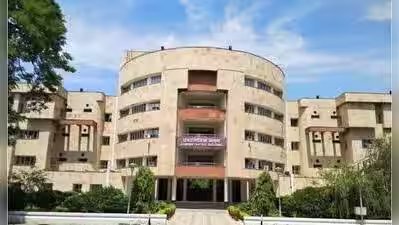

Prayagraj: Farmers and rural entrepreneurs struggling with unreliable power supply may soon be able to run irrigation pumps as well as small machines such as flour and paddy mills using a single solar-powered system.Scientists at Motilal Nehru National Institute of Technology (MNNIT) have developed a Universal Solar Pump Controller that can operate multiple machines using a common solar panel-based setup.The technology has been developed under the leadership of Anjani Kumar Mishra, assistant professor in the electrical engineering department of this lone NIT of the state. The controller is designed to allow users to select machines according to their requirements, while its software automatically regulates motor speed and power supply based on the machine being operated. This could reduce the need for separate controllers for different applications.Apart from water pumps, the system can operate flour mills, paddy mills, cold storage units and grass-cutting machines. It uses advanced motors, including switched reluctance motors and permanent magnet synchronous motors. Work is also underway to operate these motors without position sensors, which could improve their efficiency and reliability.“The system has been designed to handle fluctuations in solar power caused by changing weather conditions. Safety features will automatically shut down the machine in case of problems such as depletion of water in a field, wire breakage, short circuit or abnormal voltage,” explains Mishra. This is expected to protect motors and other equipment while reducing the risk of incidents such as fire, he added.An internet-based monitoring facility will also allow farmers to check the operating status of machines and receive information about faults on their mobile phones. The controller can additionally be connected to a battery or the electricity grid, providing flexibility when solar power is unavailable.The prototype of this universal solar pump controller has successfully passed the laboratory testing, done to assess its performance and safety. It will now be tested in rural conditions, with a village in Bihar’s Rohtas district selected as the field-testing site. Following successful trials, the technology is proposed to be made available to farmers and rural entrepreneurs. Besides reducing dependence on diesel and conventional electricity, the system could support small-scale rural enterprises and self-employment, Mishra hoped.
Discover more from updatview
Subscribe to get the latest posts sent to your email.