





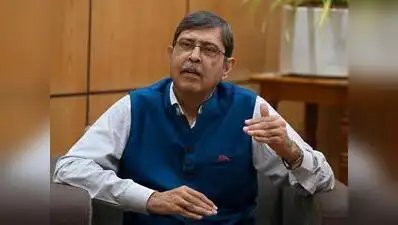


New Delhi: A transparent mechanism should determine the fees in private medical colleges, AIIMS Delhi director Professor Nikhil Tandon has said. Such institutions should be allowed a reasonable profit margin, but the calculation should be based on the actual cost of providing medical education, he told TOI during an interaction.The fees should factor in infrastructure, laboratories, equipment, faculty and the cost of maintaining and expanding facilities, he said. A clear and transparent assessment of these expenses is needed to determine what medical colleges should charge students.His remarks came at a time when nearly 2,000 postgraduate medical seats are vacant despite India’s shortage of doctors.Tandon gave several reasons for the vacancies. The high fee was one of them. The preference of students for a certain speciality was another reason. In India, the language barrier that doctors sometimes face while explaining treatments to patients was also a factor contributing to the vacancies, said Tandon, who heads the department of endocrinology and metabolism at AIIMS.He added that whatever he was saying was his personal opinion.Tandon said securing a PG seat does not necessarily mean a student will accept a speciality that is not his or her first choice. He compared it to offering an aspiring journalist a seat in hospitality management simply because the journalism seats are full.He said regional language barriers were a challenge in the profession, particularly for students moving from northern states to southern India. Unlike engineering, clinical medicine requires that doctors communicate directly with patients, take histories and explain treatment.About the newer AIIMS campuses, Tandon said they need time to develop and should not be compared with AIIMS Delhi, which was established in 1956.While confident that they would grow into institutions of comparable stature, he said each would develop its own strengths and identity based on regional needs, leadership and institutional culture. “It is not just the building or the infrastructure. It is the institutional culture. You have to live it to understand it,” he said.Attracting faculty was a challenge for the newer institutes, the doctor said. They must compete with private hospitals offering specialists better financial incentives. While AIIMS offers opportunities in teaching, training and research, Tandon cautioned that filling all sanctioned posts may still not meet the demand for doctors.He also stressed the need for an effective referral system, with primary and district hospitals handling routine cases and AIIMS focusing on complex ailments requiring specialised care. “We have a hierarchical healthcare system, but we have not been able to convert it into an effective referral system,” he said.Tandon said the newer AIIMS campuses could emerge as centres of excellence, but that would take time. What may not be possible today could become possible in a year or a decade, he said.
Discover more from updatview
Subscribe to get the latest posts sent to your email.